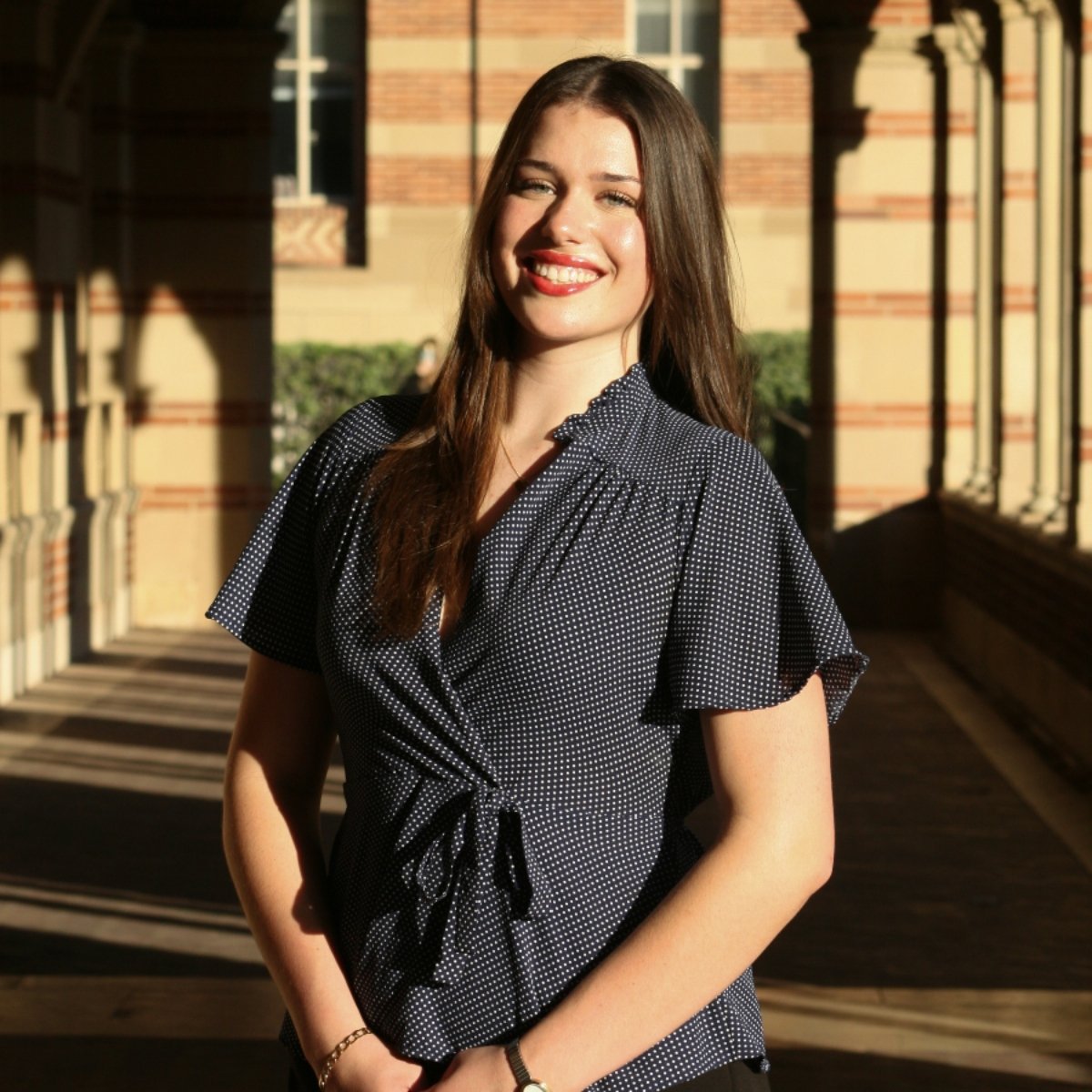
Where Psychology Meets Space: An Interview With Dr. Raphael Rose
What if the same techniques used to train astronauts to handle extreme stress could help you survive finals week–and even build lasting mental resilience? Dr. Raphael Rose, former Associate Director of the Anxiety and Depression Research Center (ADRC) at UCLA and Research Psychologist in the Department of Psychology, as well as an Associate Clinical Professor, has developed a program shown to be effective at just that and more. At the UCLA Anxiety Disorder Center, Dr. Rose and his team worked tirelessly with funding from none other than NASA to address the issues of anxiety, stress, and resilience, and have developed a cognitive behavioral approach with measurable results in helping not only astronauts but students at UCLA.
Dr. Rose describes his academic journey as a "windy path.” He began his undergraduate studies at Binghamton University as a political science major and history minor, with plans to attend law school, but soon realized that path was not for him. Instead, he turned to psychology–a curiosity inspired by his father, a Holocaust survivor. He went on to pursue a PhD in clinical psychology at Hofstra University, where his work with clients sparked a deeper interest in anxiety and stress management. He became particularly interested in why extreme life experiences can often, but not always, lead to PTSD. PTSD is a clinical disorder that results from experiencing a traumatic event, while stress can come from non-traumatic sources like classwork, exams, or even simply thinking about potential stressors. He wanted to study how these individuals, like his father, were able to rebound from these traumatic experiences. While working on his dissertation, he found a mentor at Boston University who shared his focus on anxiety and depression, further shaping his research direction. Dr. Rose sought to use behavioral therapies to help clients learn resilience in the face of stressful situations. As he explains, “we can't escape trauma, but we can learn to process it in healthier ways.” Dr. Rose's early exposure to trauma and psychological resilience would later shape his work at UCLA and his research with NASA.
When Dr. Rose first came to UCLA, he was working with Michelle Craske, a distinguished Professor of Psychology and Psychiatry, and director of the Anxiety and Depression Research Center (ADRC). Together, they worked on a computer-based program, implemented in primary care clinics in the early 2000s, to train social workers and nurses to use evidence-based treatments with their patients suffering from anxiety disorders. The mission of ADRC is to develop treatments that will have long-lasting effects and are cost-effective for those with anxiety and depression. The purpose is to further understand the factors that can place individuals at risk for developing anxiety and depression. Through ethically guided studies funded by organizations such as the National Institutes of Mental Health and the Department of Defense, the center continues to expand understanding of how anxiety and depression can be treated and prevented. Dr. Rose’s work with ADRC positioned him as a preeminent researcher in the field of anxiety and stress disorders and paved the way to future collaborations with NASA.
In 2011, Dr. Rose became a principal researcher on a NASA-funded study to investigate a self-guided, multimedia stress management program, Stress Management and Resilience Training for Optimal Performance (SMART-OP). NASA was exploring new and innovative methods to better support their astronauts in the highly stressful endeavor of space travel. SMART-OP is a brief, six-session program based on cognitive behavioral therapy designed to help people manage stress and build resilience. Each 30-45 minute session teaches skills such as monitoring stress, regulating emotions, practicing relaxation, thinking more flexibly, and taking action when facing stressors. The program is a self-guided multimedia format that can be used privately at home or in an office, and research has shown it can reduce perceived stress and increase your sense of control over stressful situations. Dr. Rose also implemented this program in a study with business and law students at UCLA with great success, proving that the program can benefit various groups of people. Dr. Rose explains that the goal is to “give people practical tools they can actually use in high-stress moments.” His work highlights how psychology extends far beyond traditional clinical therapy. By collaborating with organizations like NASA and developing programs used in high-performance environments, his career demonstrates the wide range of paths available within the field. From space research to student wellness, psychology can be applied in unexpected, but innovative ways, opening doors that go beyond the therapy room.
Students inspired by Dr. Rose’s work should consider getting involved in UCLA’s Anxiety and Depression Research Center by exploring the UCLA job website as well as the UCLA psychology department website. Graduate students are encouraged to apply to the UCLA Clinical Psychology program to have the chance to work with Dr. Craske. Those interested in getting involved with NASA research and internships should familiarize themselves with the various opportunities available through the NASA website. NASA’s Office of STEM Engagement internships offer students the opportunity to work side by side with researchers, engineers, and other scientists from a myriad of professions. These Internships are full-time or part-time at a NASA center or facility.
Beyond these opportunities, Dr. Rose’s work ultimately highlights a broader takeaway for students. He encourages students to rethink how they approach stress. Rather than trying to eliminate it entirely, he encourages building the skills to manage it: “Stress is not something we can eliminate from our lives–it’s something we can learn to manage more effectively.”